
Mold, Rust, and Rotting: What Louisiana Humidity Is Doing to Your Plumbing


Summer in Louisiana doesn’t just crank up the heat—it cranks up the humidity, too. And while most people are worried about staying cool, few realize what that thick, sticky air is doing to their plumbing. Behind your walls and under your sinks, all that moisture can lead to mold, wood rot, and rusted-out pipes—especially in older homes around New Orleans and Metairie. In this blog, we’ll break down how humidity creates hidden plumbing problems and what you can do to stop the damage before it starts.
Table Of Contents
How Humidity Turns Plumbing into a Problem
If you’ve ever seen water droplets form on the outside of an iced coffee, you already know what’s happening to your pipes. In Louisiana, when that thick summer air meets your cold plumbing lines—especially in older homes or stuffy spaces—it creates condensation. And while it might not seem like a big deal at first, here’s what really happens over time:
That moisture builds up and starts dripping onto nearby surfaces.
Wood framing, drywall, or insulation absorbs the water like a sponge.
Mold, mildew, and wood rot quietly spread in the background.
The worst part? This usually happens in hidden spots:
Under sinks
Behind washing machines
Inside walls and crawlspaces
In areas like New Orleans and Metairie, where the humidity often stays above 70%, this kind of “pipe sweating” is common—and if your plumbing isn’t insulated or ventilated properly, the damage can sneak up fast.
Why Hidden Moisture Is a Bigger Problem Than You Think
In Louisiana’s humid climate, water has a way of sneaking into places you’d never expect—and it doesn’t take much to start a real problem.
Moisture can build up behind your walls.
Even if there are no leaks, warm humid air can slip into cooler parts of your home—like wall cavities, ceilings, or crawlspaces—and create condensation. This is called interstitial condensation, and it’s especially common in Louisiana homes during the summer. You won’t see it happening, but that water can quietly soak into wood, drywall, or insulation.
This hidden moisture causes slow, expensive damage.
Over time, even a small amount of condensation can lead to warped framing, soggy drywall, or spots where mold can take hold. Since these areas stay closed off, the problem often grows unnoticed until signs—like stains or musty smells—finally appear.
Your ductwork can make it worse.
If you’ve got air conditioning running through uninsulated ducts, especially in attics or walls, condensation can form on the outside of the ductwork and drip down. This adds even more hidden moisture, which can lead to corrosion or mold if left untreated.
The key issue: it all happens out of sight.
That’s what makes it so dangerous. By the time you realize there’s a problem, the damage is already done—and it usually goes beyond just plumbing.
What That Moisture Actually Does to Your Home
A little condensation might not seem like a big deal—but over time, it can cause serious damage to both your plumbing and the structure around it. Here’s what that excess moisture turns into over time:
Rot

When moisture drips onto wood—like framing, subfloors, or cabinets—it doesn’t just dry up and go away. In our humid Louisiana climate, that damp wood holds moisture longer, which creates the perfect conditions for rot. You might not notice it right away, but over time, boards soften, sag, or even start crumbling apart.
Mold

Mold doesn’t need much to take hold—just a little moisture and a dark, enclosed space. That’s why you’ll often find it behind bathroom walls, under sinks, or around pipes. It can start small but quickly spread, leaving behind musty odors, staining, and even causing health issues like allergies or breathing problems.
Rust

Metal pipes and fittings don’t mix well with moisture. When condensation sits on copper or steel plumbing, it speeds up corrosion. That rust can eventually lead to pinhole leaks, brittle fittings, or full-blown pipe failure—especially in older plumbing systems.
Damage

It starts with plumbing, but the ripple effect hits the whole house. Condensation can lead to damaged drywall, peeling paint, warped floors, and expensive repairs. Once water soaks in, the costs go beyond plumbing and into structural issues you can’t ignore.
How to Prevent Moisture Damage
You can’t control Louisiana’s humidity, but you can protect your home from the damage it causes. Here are a few simple ways to keep condensation in check and your plumbing safe:
Insulate
Start with your cold water lines—especially the ones in unconditioned spaces like attics, crawlspaces, and under sinks. Pipe insulation keeps humid air from touching the cold surface, which stops condensation before it starts.
Ventilate
Poor airflow traps moisture. Use exhaust fans in bathrooms, kitchens, and laundry rooms, and open up cabinet doors under sinks when it’s extra humid. If you’ve got a bathroom or utility closet without a fan, consider having one installed.
Dehumidify
Running a dehumidifier during the summer can make a big difference. Aim to keep indoor humidity between 30–50%. Not only does it reduce condensation, but it helps with mold, odors, and overall comfort.
Inspect
Take a few minutes each month to check under sinks, around appliances, and near exposed pipes. Look for sweating, discoloration, or that classic musty smell. Catching these signs early can save you thousands in repairs down the line.
How to Spot the Signs of Moisture Trouble
Moisture buildup isn’t always obvious—especially when it’s happening behind walls or under floors. But there are a few key signs that your plumbing might be battling hidden humidity:
Condensation on pipes that never seems to dry

Dark spots on walls or ceilings, especially near bathrooms or kitchens
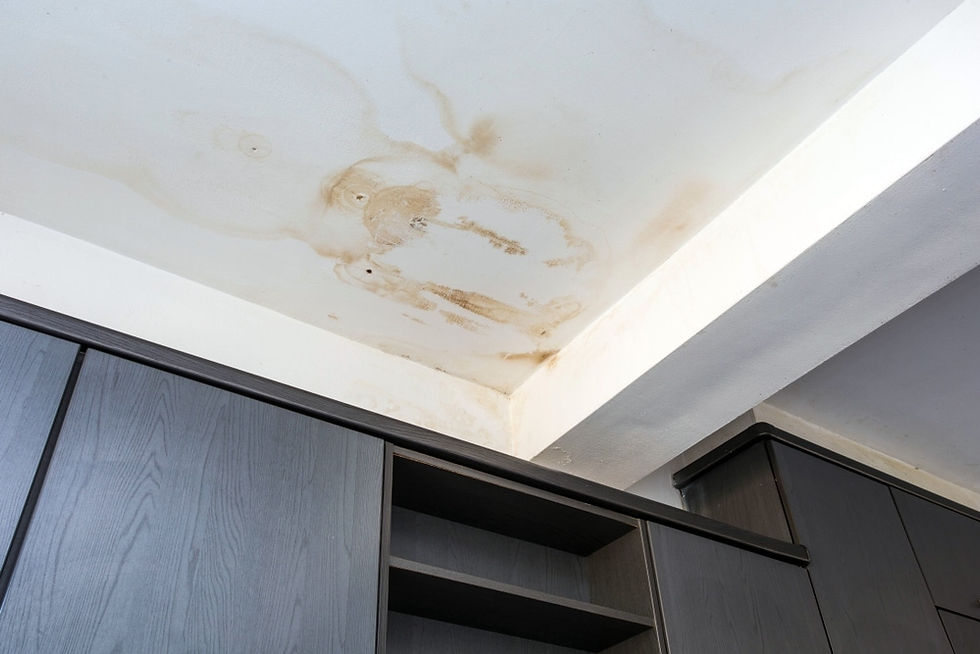
Musty or damp smells coming from under sinks, cabinets, or closets

Peeling paint or bubbling drywall

Rust forming on pipe joints, shut-off valves, or water heater connections

Soft wood or flooring around plumbing fixtures

If you’re noticing any of these, your home might already be dealing with the effects of Louisiana’s humidity.
And if you’re not sure what you’re looking at? We offer full home plumbing inspections that will help you get to the source of any moisture.
Conclusion: Don’t Let Humidity Win This Summer
Humidity is just part of life in New Orleans and Metairie—but moisture damage doesn’t have to be. With a few smart habits and a sharp eye for early signs, you can stay ahead of the worst.
And if you need a second opinion or a professional fix, Bertucci Bros Plumbing is here to help.
or Call (504) 559-7473


Many people ignore small warning signs like damp walls or unusual water sounds. These signals often point to hidden problems that only proper leak detection can uncover. Acting early helps maintain your home’s safety and prevents costly water damage.